How to Relieve Wisdom Teeth Pain at Home Before Your Appointment
Wisdom tooth pain and can't get in right away? Here are safe, effective at-home remedies to manage discomfort — plus signs that mean you shouldn't wait to be seen.
wisdom teeth pain relief at home
Wisdom tooth pain has a way of showing up at inconvenient times — a Friday evening, the middle of a work trip, or a weekend before you can get in to be seen. While nothing at home replaces a proper evaluation and, if needed, removal, there are safe and genuinely effective ways to manage the discomfort until your appointment.
This guide covers the remedies that actually help, why they work, what to avoid, and — importantly — the warning signs that mean you shouldn't just wait it out at home.
Key Takeaways
Warm saltwater rinses, cold compresses, and over-the-counter pain relievers are the most effective and safe first-line home remedies.
Clove oil has a genuine, evidence-supported numbing effect and can be applied directly to the painful area.
Gentle cleaning around a partially erupted wisdom tooth reduces the bacterial buildup that often drives the pain.
Fever, facial swelling, difficulty swallowing or breathing, or pain that keeps escalating are signs to seek care promptly rather than continuing home management.
Home remedies manage symptoms — they do not resolve the underlying issue if a wisdom tooth needs to come out.
Why Wisdom Teeth Cause Pain in the First Place
Before covering remedies, it helps to understand the most common source of wisdom tooth pain: pericoronitis. This is inflammation of the gum tissue surrounding a partially erupted wisdom tooth. The flap of gum tissue covering part of the tooth creates a pocket where food debris and bacteria accumulate — and that pocket is very difficult to keep clean with normal brushing alone. The result is localized inflammation, swelling, and pain that can range from mild irritation to significant throbbing discomfort.
Understanding this matters because several of the most effective home remedies work specifically by addressing this bacterial buildup and inflammation — not just masking pain.
The Most Effective At-Home Remedies
1. Warm Saltwater Rinses
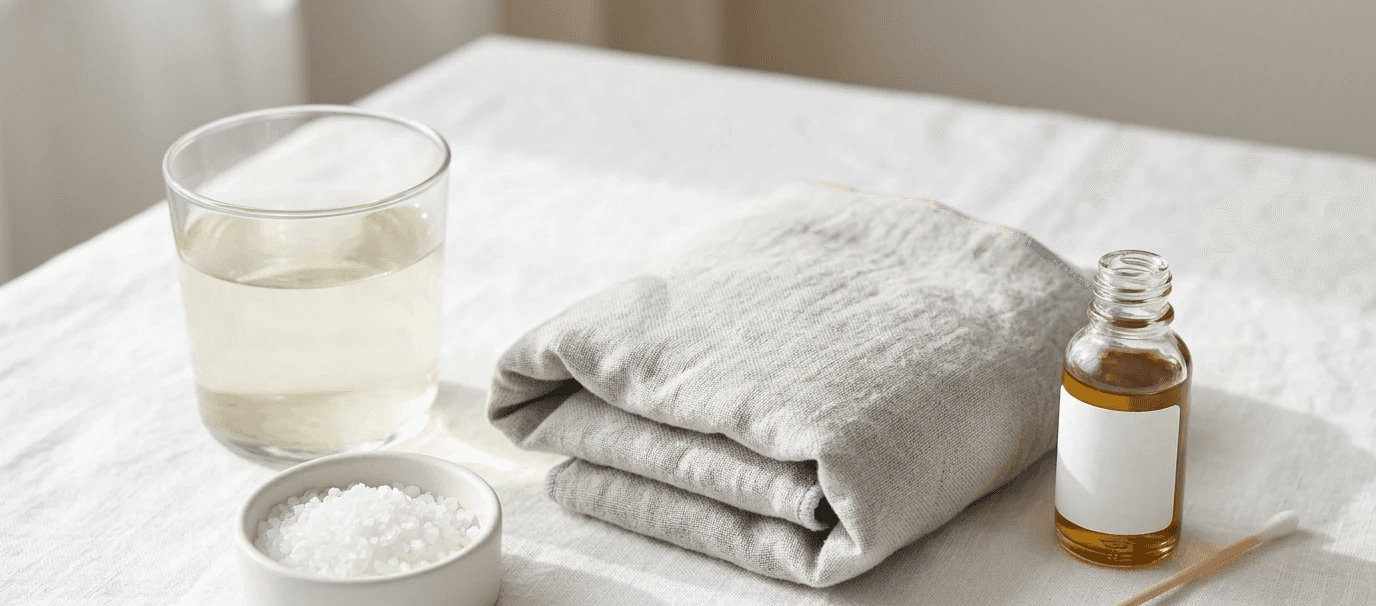
This is the single most useful home remedy for wisdom tooth pain related to pericoronitis. Dissolve 1/2 teaspoon of salt in 8 ounces of warm water. Rinse gently for 30 seconds, focusing on the affected area, then spit — do not swallow.
Warm saltwater has a mild antibacterial effect and helps flush out trapped food debris from beneath the gum flap. It also has a soothing effect on inflamed tissue. Rinse 3–4 times daily, particularly after meals.
2. Cold Compress
Apply a cold compress or ice pack wrapped in a thin towel to the outside of the jaw, over the painful area, for 15–20 minutes at a time. Cold reduces blood flow to the area, which decreases both swelling and the sensation of throbbing pain. This is especially effective if there is visible facial swelling accompanying the pain.
3. Over-the-Counter Pain Relievers
Ibuprofen (Advil, Motrin) is often more effective than acetaminophen for dental pain specifically, because it has an anti-inflammatory effect in addition to pain relief — directly addressing the inflammation driving much of the discomfort. Follow the dosing instructions on the packaging. For patients who cannot take NSAIDs due to a medical condition, acetaminophen (Tylenol) is a reasonable alternative, though it does not carry the same anti-inflammatory benefit.
Alternating ibuprofen and acetaminophen (spaced appropriately per their individual dosing schedules) is a strategy some people use for more significant pain — this should be done according to package directions or guidance from a pharmacist or your dental provider.
4. Clove Oil (Eugenol)
Clove oil contains eugenol, a compound with a genuine, clinically recognized local anesthetic and antibacterial effect — this is not a folk remedy without basis; eugenol is actually used in some professional dental preparations, including certain dry socket treatments.
Apply a small amount of clove oil to a cotton swab and dab it directly onto the painful area, avoiding excessive contact with surrounding soft tissue (undiluted eugenol can irritate healthy gum tissue with prolonged direct contact). Some people prefer diluting a few drops in a small amount of olive oil or water before application. Effects are typically felt within a few minutes and last for a limited period.
5. Gentle Cleaning Around the Area
Using a soft-bristled toothbrush, gently clean around the affected wisdom tooth as thoroughly as comfort allows. A water flosser on a low-pressure setting can help dislodge trapped debris beneath the gum flap without the friction of brushing. Reducing the bacterial load in the area directly reduces the inflammatory response causing the pain.
6. Over-the-Counter Oral Anesthetic Gels
Products containing benzocaine (such as Orajel) provide temporary topical numbing when applied directly to the painful gum tissue. These offer short-term relief and can be useful before meals or before sleep. They are not a substitute for addressing the underlying cause but can help bridge the gap until your appointment.

What to Avoid
Applying heat directly to a swollen area: Unlike cold, heat can increase blood flow and worsen swelling in an actively inflamed area. Reserve heat for muscle tension, not active swelling.
Aspirin placed directly on the gum: This is an old folk remedy that does not work as intended and can actually cause a chemical burn to the gum tissue. Take aspirin orally per standard dosing if appropriate for you, never applied topically to the gum.
Vigorous brushing or aggressive flossing right at the site: This can further irritate already-inflamed tissue. Gentle cleaning helps; aggressive cleaning can make things worse.
Ignoring escalating symptoms indefinitely: Home remedies are a bridge to your appointment, not a long-term management strategy for an underlying dental issue.
Managing wisdom tooth pain and need to get in soon? Call (801) 370-0050 — same-day appointments are available at both Provo and Murray.
When Home Remedies Aren't Enough: Signs You Need to Be Seen Promptly
Most wisdom tooth pain from pericoronitis or early impaction discomfort can be reasonably managed for a few days with the remedies above while you arrange an appointment. But certain signs indicate the situation has progressed beyond what home care can safely manage.
Seek Care Promptly If You Experience:
Fever — a body temperature above 100.4°F (38°C) can indicate a spreading infection.
Facial swelling that is visibly increasing or spreading toward the eye or down the neck.
Difficulty swallowing or opening your mouth fully (trismus) — this can indicate the infection or inflammation has involved the muscles around the jaw.
Difficulty breathing — this is a genuine emergency. Swelling that affects the airway requires immediate emergency care, not a routine dental appointment.
Pain that is rapidly worsening despite consistent use of the remedies above over 48 hours.
A foul taste or visible pus at the site, which can indicate an active abscess.
If you experience difficulty breathing or swallowing, or rapidly spreading facial swelling, seek emergency medical care immediately — this can indicate a serious infection requiring urgent treatment, not a condition to manage at home or wait out until a routine appointment.
Managing Pain the Night Before Your Procedure
If you already have a wisdom teeth removal appointment scheduled and are managing pain in the days leading up to it, the remedies above remain appropriate. One specific note: check with your surgical team about any pre-operative fasting or medication restrictions before your procedure — some pain relief strategies (particularly certain NSAIDs) may need to be adjusted in the days immediately before surgery depending on your specific case.
Frequently Asked Questions
How long can I safely manage wisdom tooth pain at home before I need to be seen?
For mild to moderate discomfort without fever, spreading swelling, or breathing difficulty, a few days of home management while you arrange an appointment is generally reasonable. If pain is worsening rather than stabilizing or improving over 48–72 hours, or if any of the emergency signs above develop, don't wait — get seen sooner.
Does ibuprofen or acetaminophen work better for wisdom tooth pain?
Ibuprofen (and other NSAIDs) is generally more effective for dental pain because it directly addresses inflammation, which is usually the underlying driver of the discomfort. Acetaminophen relieves pain without an anti-inflammatory effect and is a reasonable alternative for those who cannot take NSAIDs.
Is it normal for the pain to come and go over several weeks?
Yes — this pattern is common with pericoronitis around a partially erupted wisdom tooth. The inflammation flares when bacteria accumulate under the gum flap, then improves temporarily with better cleaning or reduced irritation, then flares again. This cyclical pattern is itself a sign that the tooth should be evaluated, since the underlying cause hasn't been addressed even during the quieter periods.
Can I use a warm compress instead of cold if ice isn't available?
If there is active swelling, cold is preferred — it constricts blood vessels and reduces swelling. If there is jaw muscle tension or stiffness without significant swelling, gentle warmth can be more comfortable. When in doubt, cold is the safer default for active dental pain and swelling.
Will numbing gel or clove oil make it harder for my dentist to diagnose the problem?
No — these provide temporary local relief and do not mask the underlying clinical findings (X-ray appearance, gum tissue condition, tooth position) that your provider will assess at your appointment. Use them as needed for comfort.
The Bottom Line
Wisdom tooth pain is manageable at home in the short term with warm saltwater rinses, cold compresses, OTC pain relievers, clove oil, and gentle cleaning. These remedies address both the discomfort and, to some degree, the bacterial buildup that's often driving it. But they are a bridge — not a fix — for an underlying issue that usually needs a clinical evaluation to properly resolve.
If your pain is escalating, accompanied by fever or spreading swelling, or affecting your ability to swallow or breathe, don't wait it out. Get seen.
Get relief and an evaluation: drwisdomteeth.com | (801) 370-0050 | Mon–Fri 8am–5pm
Provo: 2230 N University Pkwy #8A | Murray: 5888 S 900 E #101
Written by
Dr. Wisdom Teeth
Resources